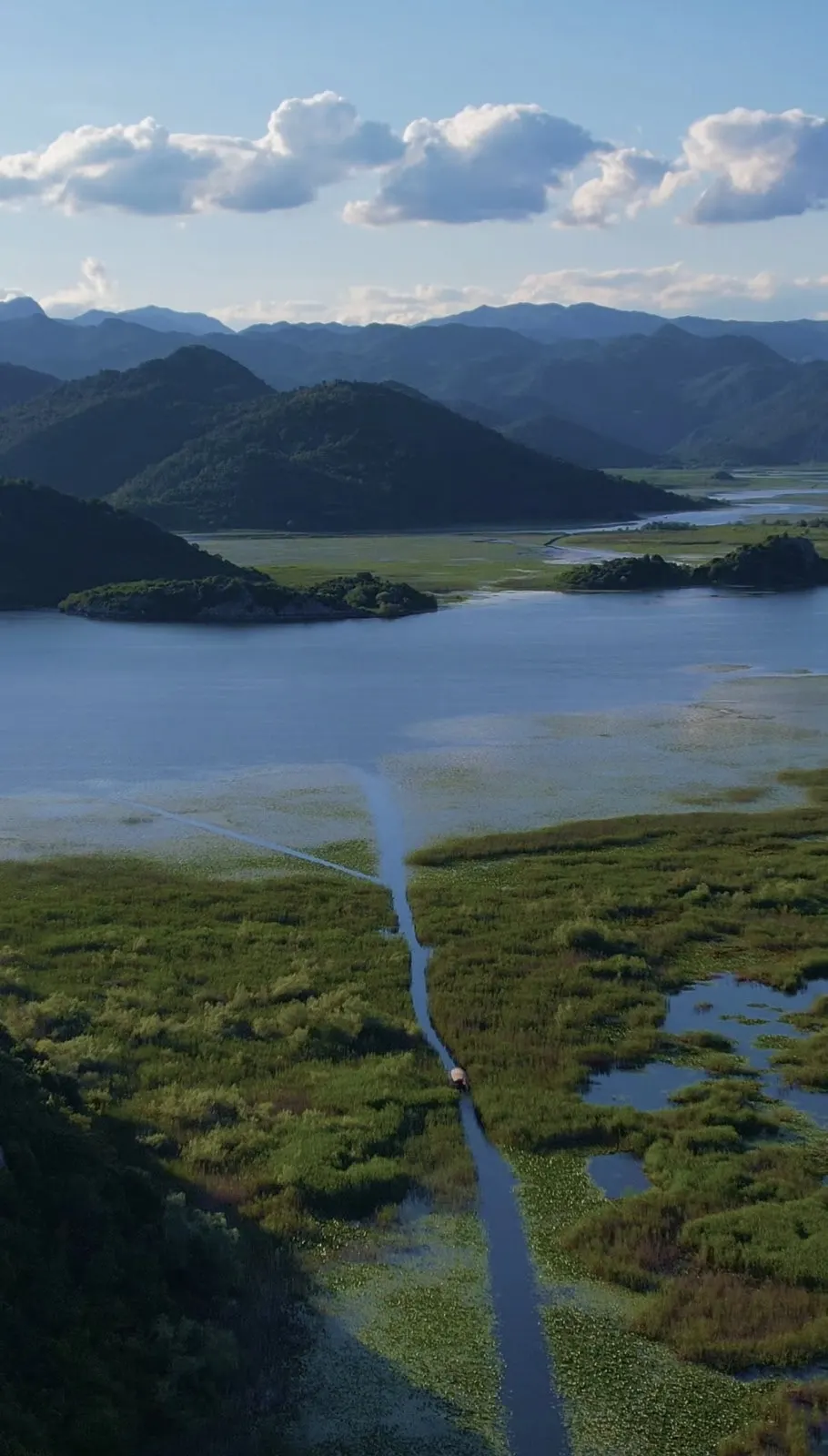
Skadar Lake appeals to travelers who want a different rhythm from the coast or the mountains. The experience here is built around water, silence, birdlife, shifting light and small places that still feel local. That is what makes the lake stand out: it offers a calmer, more atmospheric kind of travel, shaped by nature rather than crowds.
As part of Skadar Lake National Park, the area is especially known for birdwatching, traditional fishing villages, monastery viewpoints and hidden canals that feel untouched. The landscape changes from open water to narrow green passages within minutes, which is why a boat trip remains the best way to understand the lake properly.
Skadar Lake National Park
The Montenegrin side of the lake is protected as Skadar Lake National Park, which makes the area especially important for biodiversity and landscape preservation. For travelers, this means more than a protected badge: it means wide reed fields, quiet inlets, bird habitats and routes that feel much less developed than many other European lake destinations.
Why most trips start from Virpazar
Virpazar is the most practical and recognizable starting point for visiting the lake. It offers direct access to the water, parking, short walking distances and a quick transition from the village center to the boat. That is why most Skadar Lake boat tours and cruises are based here.

A fairy-like tale of water, love and one night
Some say Skadar Lake was shaped not only by stone, land and time, but also by a joy too great to contain. On the night a young warrior returned home, his bride was said to be so overwhelmed with happiness that the world around her faded into silence, while the water kept running as if it too wanted to celebrate their reunion.
As the embrace, tears and disbelief lasted longer than anything else, the valley slowly filled, the plain disappeared under water and a lake was born between the mountains. That is why the story survives not as history, but as a tender local secret: that Skadar Lake still carries something enchanted, hushed and almost unreal in its light.
How to experience the lake properly
If you want to understand why the lake is special, a boat ride is essential. Roads show only a small part of the scenery, while the water reveals lotus canals, birdwatching zones, fortress views, monastery stops and hidden corners that are difficult to reach any other way. Only from the lake does the full shape of the landscape begin to make sense.
A rare ecosystem in constant motion
Lake Skadar is often described as the largest lake in Southern Europe, but its importance goes far beyond size. What makes it remarkable is the variety of habitats packed into one area: open water, shallow wetlands, reed beds, marshes, floating vegetation and narrow green channels. These constantly shifting environments create one of the richest ecosystems in the region and explain why the lake attracts scientists, wildlife photographers and travelers who care about living landscapes.
Birdlife is one of the clearest signs of that ecological richness. The lake is a major refuge and migration stop for hundreds of species, including pelicans, herons, cormorants, egrets and many seasonal visitors. Fish, amphibians and small mammals also depend on the lake’s mosaic of habitats. For visitors, this means that Montenegro Lake Skadar never feels visually flat: each part of the shoreline, each inlet and each stretch of water has its own atmosphere and rhythm.
A landscape shaped by history as well as water
The story of Lake Skadar is not only natural but deeply historical. Settlements around the lake have existed for centuries, and the wider region has long served as a meeting point between inland Montenegro, the Adriatic world and routes moving toward Albania. That layered position gave the lake both strategic and cultural importance, which is why so many monasteries, fortresses, bridges and small settlements still appear around its edges.
One of the most recognizable features of the area is the way history remains woven into the scenery rather than isolated in museums. A viewpoint may open toward an old monastery, a boat route may pass a ruined fortress, and a village may still carry memories of fishing, trade and older dynasties. For many travelers, this combination of history and nature is what makes Lake Skadar Montenegro feel richer than a standard scenic stop.
When to visit Lake Skadar
Spring and early summer are often the most rewarding periods to visit if you want mild temperatures, fresh greenery, active birdlife and long days on the water. During this time, the wetlands feel especially alive and the light is soft enough for boat rides, photography and gentle hiking. It is one of the best moments to understand why so many people place Skadar Lake on their Montenegro itinerary.
Late summer and early autumn bring warmer water, golden light and a calmer travel rhythm, especially once the busiest weeks begin to fade. Autumn can be beautiful for visitors who enjoy quieter landscapes and softer colors. Winter is the least predictable season, but it also offers a more silent and introspective side of Lake Skadar. The best time therefore depends on whether you want wildlife, swimming, quiet photography or a more active outdoor trip.
Boat rides, birdwatching and slow exploration
A boat trip remains the signature experience on the lake, because it reveals the geography far better than any roadside viewpoint can. Visitors can choose between private boat tours, shorter panoramic rides, birdwatching-focused routes, sunset departures and longer custom experiences with village stops or local food. Kayaking and canoeing are also popular for those who want a slower, more self-directed connection with the water.
Beyond the lake itself, the wider area offers scenic drives, village walks, viewpoints, monastery visits and trails that overlook the water from above. This is why searches for Lake Skadar often grow into broader travel plans. It is not only a place to “see” for an hour, but a destination where travelers can build an entire day around nature, culture and time outdoors.
Why Lake Skadar works well for families with children
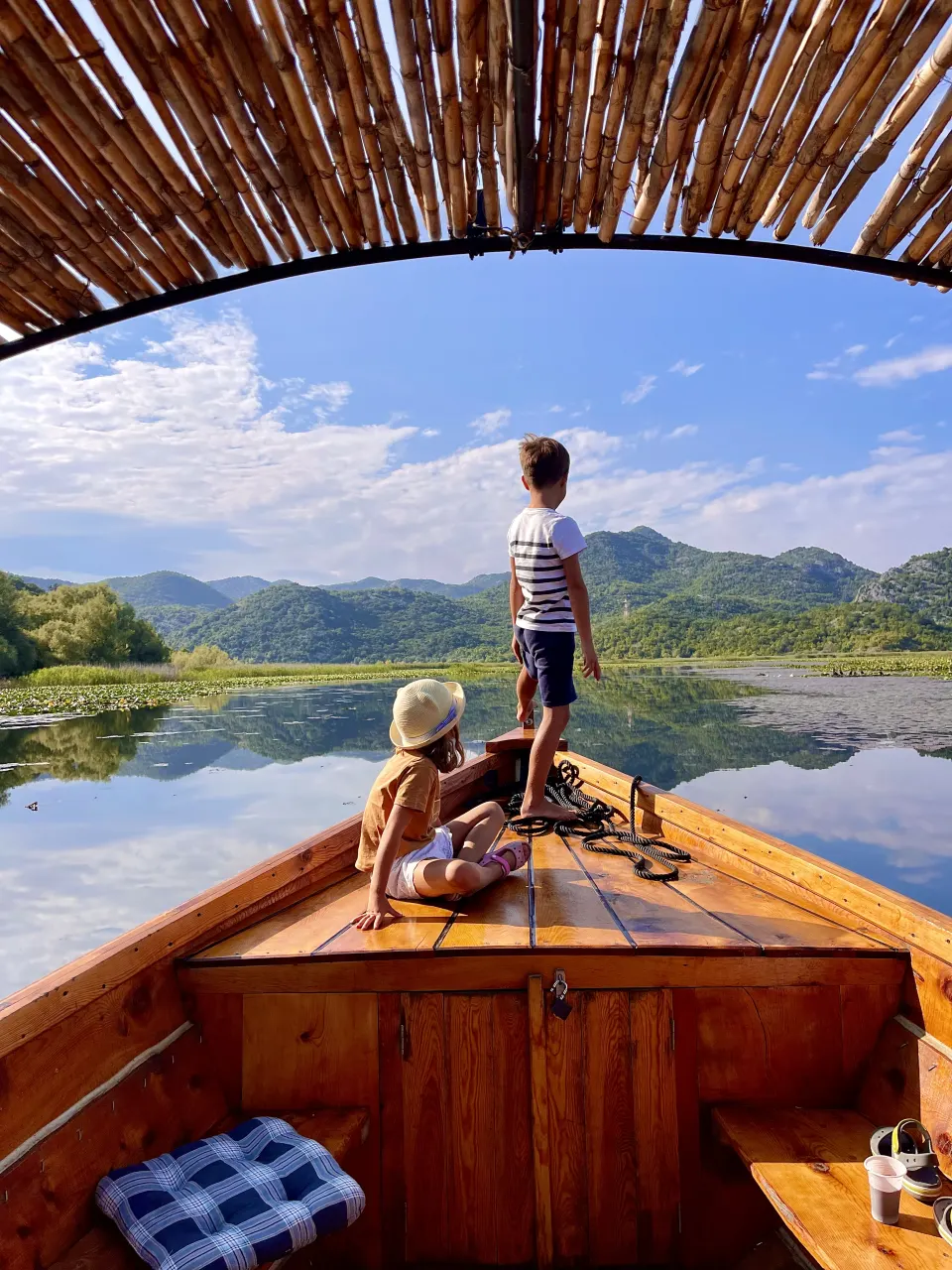
One of the reasons many visitors enjoy the lake so much is that it can be gentle as well as scenic. Shorter boat routes, calm water, wide views, birds in the reeds and easy departures from Virpazar make the area suitable for families who want nature without an exhausting pace. Children often respond especially well to the feeling of moving slowly through lily channels and open water while still having something new to notice every few minutes.
For parents, the lake is appealing because the experience can be adapted. A family can choose a shorter panoramic ride, plan around weather and energy levels, and focus on observation rather than intensity. That flexibility makes Lake Skadar easier with children than many more demanding outdoor destinations, especially when the goal is to combine fresh air, scenery and a memorable day together.
Why the national park matters
The protected status of Skadar Lake National Park gives the area a very different feel from heavily developed lake destinations. Large stretches of shoreline remain open, habitats survive with less disturbance, and the scenery keeps its sense of scale. That protection also explains why the lake continues to be such an important refuge for birds and wetland species in the Balkans.
For travelers, the national park status is not just a label on a map. It shapes the quality of the experience. It is the reason why so many parts of the lake still feel quiet, why the reed beds remain so extensive, and why even a short boat ride can feel immersive. That preserved atmosphere is one of the strongest impressions visitors take away from the lake.
A region with strong food traditions
Travel around Lake Skadar is also closely tied to food. The region is known for freshwater fish, grilled carp, fish soup, local cheeses, seasonal vegetables, honey, wine and homemade rakija. Small restaurants and family-run households often treat food not as a side detail but as part of the identity of the lake itself, which gives the whole area a warmer and more grounded character.
For visitors, this means that a day on the lake can easily become more than a sightseeing plan. A route may end with a quiet meal, a tasting stop or a long lunch in a small village above the water. That connection between landscape and cuisine is one of the reasons why Lake Skadar feels memorable long after the boat ride itself is over.

Accommodation near the lake
Most travelers choose to stay in or near Virpazar because it offers the easiest access to tours, parking and early departures on the water. Guesthouses, family-run stays, small apartments and eco-style lodgings are common in the area, which makes the region comfortable for both short visits and slower multi-day trips. Some travelers also combine the lake with stays on the coast or in Podgorica.
The right base depends on how you want to experience the area. If your focus is sunrise tours, birdwatching or quiet mornings, staying close to the lake makes the most sense. If you plan to combine Lake Skadar with broader Montenegro travel, you can still visit from nearby destinations, but the atmosphere becomes richer when you give the lake a little more time of its own.
How to visit without damaging what makes it special
Because the lake is both ecologically fragile and culturally meaningful, responsible travel matters here more than in many ordinary destinations. Staying on marked routes, respecting wildlife distance, avoiding litter, choosing local operators and using reusable bottles or bags are simple choices that have a real effect. Wetland areas may look abundant, but they are sensitive to noise, waste and careless movement.
Supporting local guides, family-run businesses and smaller accommodations also helps preserve the human side of the region. Sustainable travel at Lake Skadar is not about grand gestures. It is about moving slowly, paying attention and leaving the landscape as intact as possible. That approach fits the spirit of the lake better than rushed tourism ever could.
From general info to the right tour
Once you know where Skadar Lake is and what makes it unique, the next step is choosing the kind of experience you want. Some visitors prefer a short panoramic cruise, others want birdwatching, waterfalls, monastery viewpoints, or a longer private boat tour with local food and slower pacing. Starting from Virpazar gives you easy access to all of these options.